
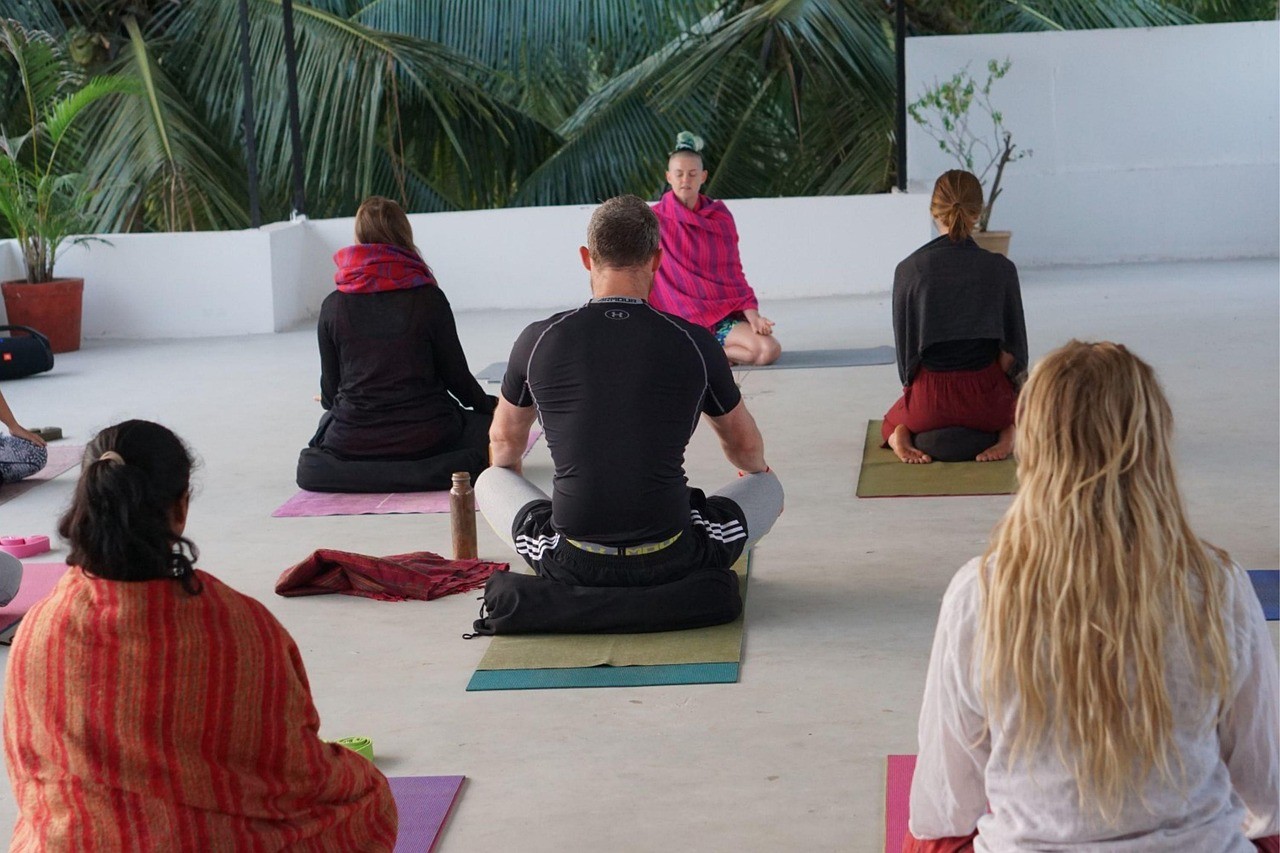
Yoga teacher training has become the default next step for committed students, and the market has responded with everything from serious immersions to slick sales funnels with mats. Most yoga teacher training programs advertise the same 200 hour template, which makes them look interchangeable on paper. They are not. Teaching quality, anatomy hours, group size, and how honest the school is about what the certificate buys all vary enormously, and almost none of that shows up in the brochure.
What a 200 hour yoga teacher training covers
The 200 hour format is the industry entry point. A typical 200 hour yoga teacher training splits time between asana technique and alignment, teaching methodology, anatomy and physiology, philosophy (usually the Yoga Sutras plus some history), and supervised practice teaching. The weighting is where programs separate. A strong course spends generous hours on anatomy and on practicum, where trainees teach real sequences and get individual feedback. A weak one fills the schedule with the lead teacher’s personal philosophy and long group practices that could have been ordinary classes.
Graduates of a good 200 hour program can teach a safe, well structured beginner class. That is the honest ceiling. It is not mastery of anything, and schools that market the certificate as a complete transformation are selling something other than education. Working teachers usually continue into 300 hour advanced training and specialty modules over the following years, and the better schools say this out loud instead of hiding it.
What registration means, and what it does not
No government licenses yoga teachers in most countries. The closest thing to an industry standard is Yoga Alliance, a US nonprofit that keeps a registry of schools and teachers. Registration means a school filed a syllabus meeting minimum hour requirements in set categories. It is not accreditation in the academic sense, nobody audits classes in person, and some superb teachers have never registered at all. Studios and gyms often ask for it anyway, partly because insurers like paperwork, so the pragmatic view is to treat registration as a box worth ticking and nothing more. Judge a school by its lead trainers, their teaching history, and their graduates, not by the logos on the website.
Online, local, or destination
Format changes the experience more than the syllabus does. A local part-time program spread over several months lets the material settle between weekends and keeps trainees inside their normal lives, which is where they will eventually teach. Destination intensives in India, Bali, or Thailand compress everything into three to four weeks of full immersion, which suits people who can take the time off and want the retreat experience folded in, at the price of absorbing a lot of material while jet lagged and far from routine.
Online yoga teacher training has moved from stopgap to permanent category. Schools such as YogaRenew run Yoga Alliance registered 200 hour programs that are fully online and self-paced, with live calls layered on top, at a fraction of what a destination course costs. The format suits people testing whether teaching is really the goal before spending several thousand dollars and a month abroad. The tradeoff is real too: nobody adjusts a trainee’s hands-on technique through a screen, so online graduates usually benefit from in-person mentoring before they feel solid in a room.
What yoga teacher training costs
Local 200 hour yoga teacher training commonly runs from about 1,500 to 3,500 dollars. Destination courses tend to land between 2,000 and 5,000 dollars with shared accommodation and meals included, before flights. Online programs range from a few hundred dollars to around 1,500. Then come the quiet costs: time off work, travel, props, liability insurance for new teachers, and the continuing education that follows.
The income side deserves the same honesty. The US Bureau of Labor Statistics groups yoga teachers with fitness trainers and instructors, a category with a median wage of 46,180 dollars in May 2024, and notes that many work variable or part-time schedules. Most new teachers start with a class or two a week, paid per class, and build slowly if at all. Paying for training follows the same logic as building a positive money mindset: pay cash where possible, and treat the course as education rather than an investment with a guaranteed return, because no such guarantee exists.
Risks the brochure leaves out
Physically, yoga sits at the safer end of exercise, and the National Center for Complementary and Integrative Health advises asking about the training and experience of any instructor and adapting postures to individual bodies. Trainings are where that advice gets tested, because an intensive compresses months of progress into weeks, and pushing tired bodies into deep backbends or inversions is how trainees get hurt. A responsible school scales poses, teaches modifications from day one, and treats “not today” as a legitimate answer.
The softer risks matter as much. Charismatic lead teachers with no oversight, group dynamics that punish questions, and pressure to commit to the next module before the first one ends are all common enough that several large yoga lineages have produced public scandals. A school that welcomes skepticism during the sales process will probably welcome it in the training room. One that answers hard questions with talk about energy and trust will not.
A short checklist before paying
- Ask for the hour by hour syllabus and count the anatomy and practicum hours.
- Ask who teaches most of the hours, the lead trainer or assistants.
- Ask the group size and whether feedback on practice teaching is individual.
- Read the refund and deferral terms before paying a deposit.
- Talk to two recent graduates the school did not select for you.
- Watch how the school handles injuries and modifications in its regular classes.
Frequently asked questions
Do you need a certification to teach yoga?
Legally, in most countries, no. Practically, most studios and gyms ask for a 200 hour certificate and often Yoga Alliance registration, and liability insurers usually want proof of training. The certificate opens doors even though no law requires it.
Is a 200 hour yoga teacher training enough to teach?
It is enough to teach a safe beginner class with preparation. It is not enough for advanced students, injuries, or specialized groups such as prenatal classes, which need further training. Most teachers treat 200 hours as the starting line.
How much does yoga teacher training cost?
Roughly 1,500 to 3,500 dollars for a local program, 2,000 to 5,000 for destination intensives with room and board, and a few hundred to 1,500 online. Payment plans are common, but a course paid in cash hurts less if teaching turns out not to be the goal.
Can you make a living teaching yoga?
Some do, usually by combining group classes with privates, workshops, retreats, or an online audience. Most teach part-time alongside other work, which matches government wage data for the wider fitness instruction category. Training is worth doing for the education itself, not for a projected salary.