
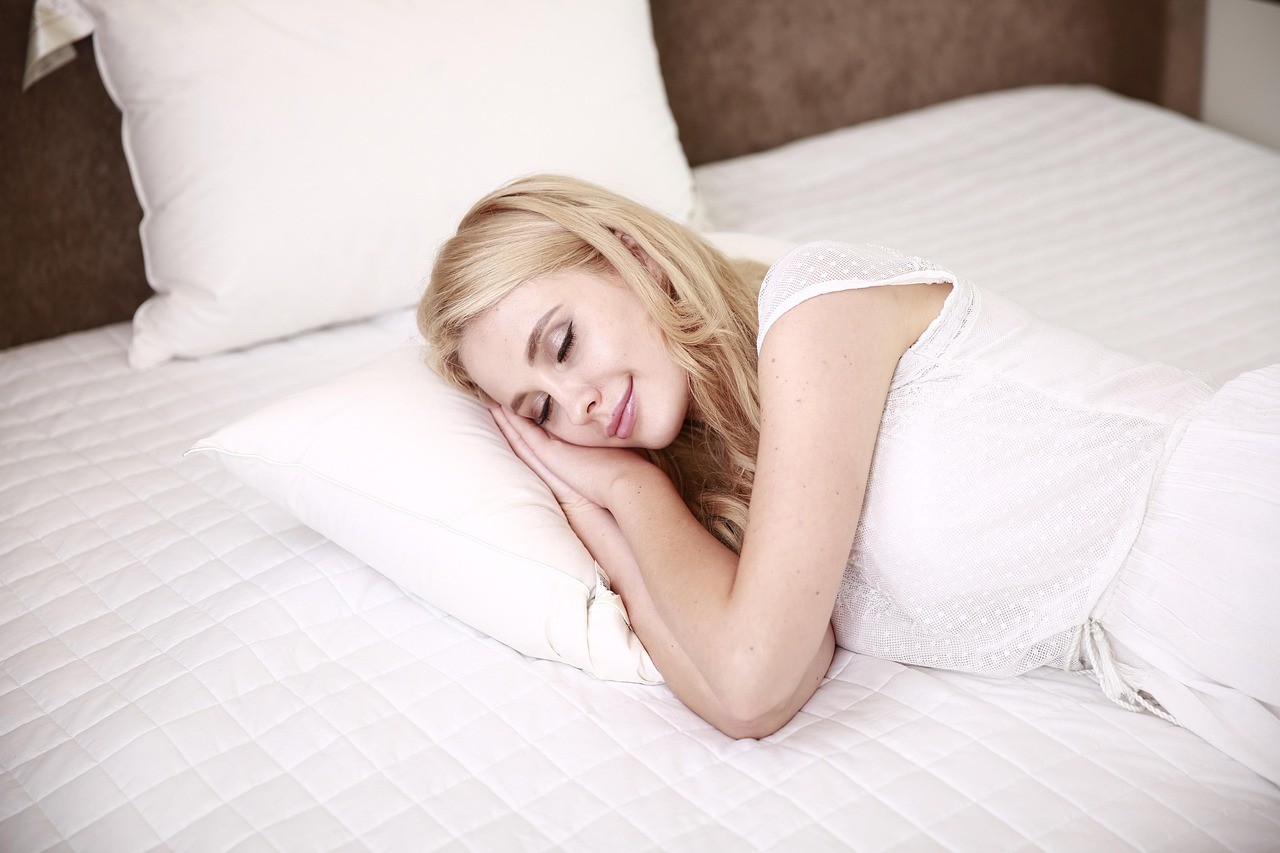
Sleep hygiene is the unglamorous set of habits that decides how most nights go, and it gets less attention than any gadget promising the same result. The sleep industry now sells trackers, supplements, weighted everything, and mattresses with companion apps. Some of it helps at the margins. None of it substitutes for the basics, which cost nothing and carry most of the load. What follows is the honest version: the habits with evidence behind them, the myths that waste effort, and the narrow cases where spending money makes sense.
What sleep hygiene means
The term covers the daily behaviors and bedroom conditions that shape sleep: when a person goes to bed and gets up, what they eat and drink in the hours before, how much light, noise, and heat reach the bed, and what the bed gets used for. The National Heart, Lung, and Blood Institute recommends adults sleep 7 to 9 hours a night and notes that regularly getting less is linked with more health problems. Good sleep hygiene does not guarantee those hours. It removes the obstacles people put in their own way, which for most is the biggest available win.
The habits that do the heavy lifting
Most of sleep hygiene is repetition rather than insight. The list is short and boring on purpose:
- Keep one wake time, weekends included. The wake time anchors the body clock more than bedtime does.
- Get outdoor light soon after waking. Morning light sets the internal clock that makes sleep arrive on schedule at night.
- Cut caffeine by early afternoon. It stays in the system long after the buzz fades.
- Treat alcohol as a sleep cost. It brings sleep on faster, then fragments the second half of the night.
- Keep the room cool, dark, and quiet. Most guidance lands around 18 to 20 degrees Celsius, roughly 65 to 68 Fahrenheit.
- Reserve the bed for sleep and intimacy, so the brain stops treating it as a desk and a cinema.
- Wind down for the last half hour: dim light, a paper book instead of a screen, gentle stretching, or an evening meditation routine.
- Not asleep after about 20 minutes? Get up, do something dull in low light, and return when drowsy.
Where products fit, and where they do not
Products earn a place after the sleep hygiene basics, not instead of them. A mattress matters when it is the actual problem: visible sagging, waking with aches that fade within the hour, or roughly a decade of use. For people replacing one, brands such as Avocado build mattresses from certified organic latex, wool, and cotton instead of polyurethane foam, which appeals to sleepers who care what they breathe next to for eight hours a night. Certification costs more, and no mattress cancels a late espresso, but a worn-out bed is one of the few problems here that money genuinely solves.
Blackout curtains and earplugs are cheap and address real inputs. Supplements are murkier territory. Melatonin shifts the timing of sleep more than it deepens it, shop doses often run higher than the amounts studies use, and in many countries it is sold as a supplement rather than a regulated medicine. Anyone taking other medication should ask a pharmacist before adding it.
Sleep hygiene myths that refuse to die
The weekend lie-in does not settle the week’s debt. Sleeping until noon on Sunday mostly shifts the body clock later, which makes Monday’s alarm feel worse, a self-inflicted jet lag. The nightcap myth survives because alcohol does bring sleep on faster; it just sells the second half of the night to pay for it. Television as a sleep aid trains the brain to expect noise and light, two things sleep is better without. And the idea that everyone needs exactly eight hours turns a range into a rule: within the 7 to 9 hour band, the right amount is the one that ends daytime sleepiness.
Trackers deserve their own caution. They are useful for spotting patterns, such as late caffeine or a drifting schedule, and poor at judging sleep stages. Researchers have coined the term orthosomnia for people whose pursuit of a perfect sleep score leaves them sleeping worse. If the number on the watch causes more worry than the night itself, the watch belongs in a drawer.
When it is more than a habit problem
No amount of sleep hygiene fixes a sleep disorder. Loud snoring with gasping or choking, unrefreshing sleep despite enough hours in bed, and heavy daytime sleepiness point toward sleep apnea, which needs medical assessment rather than a new pillow. Trouble falling or staying asleep several nights a week for months is chronic insomnia, and the first-line treatment in clinical guidelines is cognitive behavioral therapy for insomnia, not long-term sleeping pills. The Centers for Disease Control and Prevention advises talking to a healthcare provider about persistent sleep problems, since sleep studies and a simple sleep diary can tell habit problems and medical ones apart. Getting checked is not an admission of failure. It is the step that stops a treatable condition from being managed with willpower.
Frequently asked questions
What counts as good sleep hygiene?
A consistent wake time, morning light, caffeine finished by early afternoon, little or no alcohol near bedtime, a cool dark quiet room, a short wind-down, and a bed used only for sleep and intimacy. The habits work as a set rather than one at a time.
How long do sleep hygiene changes take to work?
Usually one to three weeks of consistency, because the body clock adjusts gradually. A single good night proves little and a single bad one undoes nothing, so judge the average over a couple of weeks, not each morning.
Are naps bad for sleep hygiene?
Not automatically. A nap of 20 to 30 minutes before mid afternoon can restore alertness without touching the night. Long or late naps drain the sleep pressure the night depends on, which is where napping earned its reputation.
When should someone see a doctor about sleep?
When snoring comes with gasping or long pauses, when daytime sleepiness persists despite enough hours, or when insomnia lasts months despite solid habits. Those patterns point to a treatable condition rather than a discipline problem.